Sourcing Scenarios
Different priorities.
A precise starting point.
The following examples illustrate how a sourcing brief can be structured. They are not completed client commissions, testimonials or items advertised for sale.
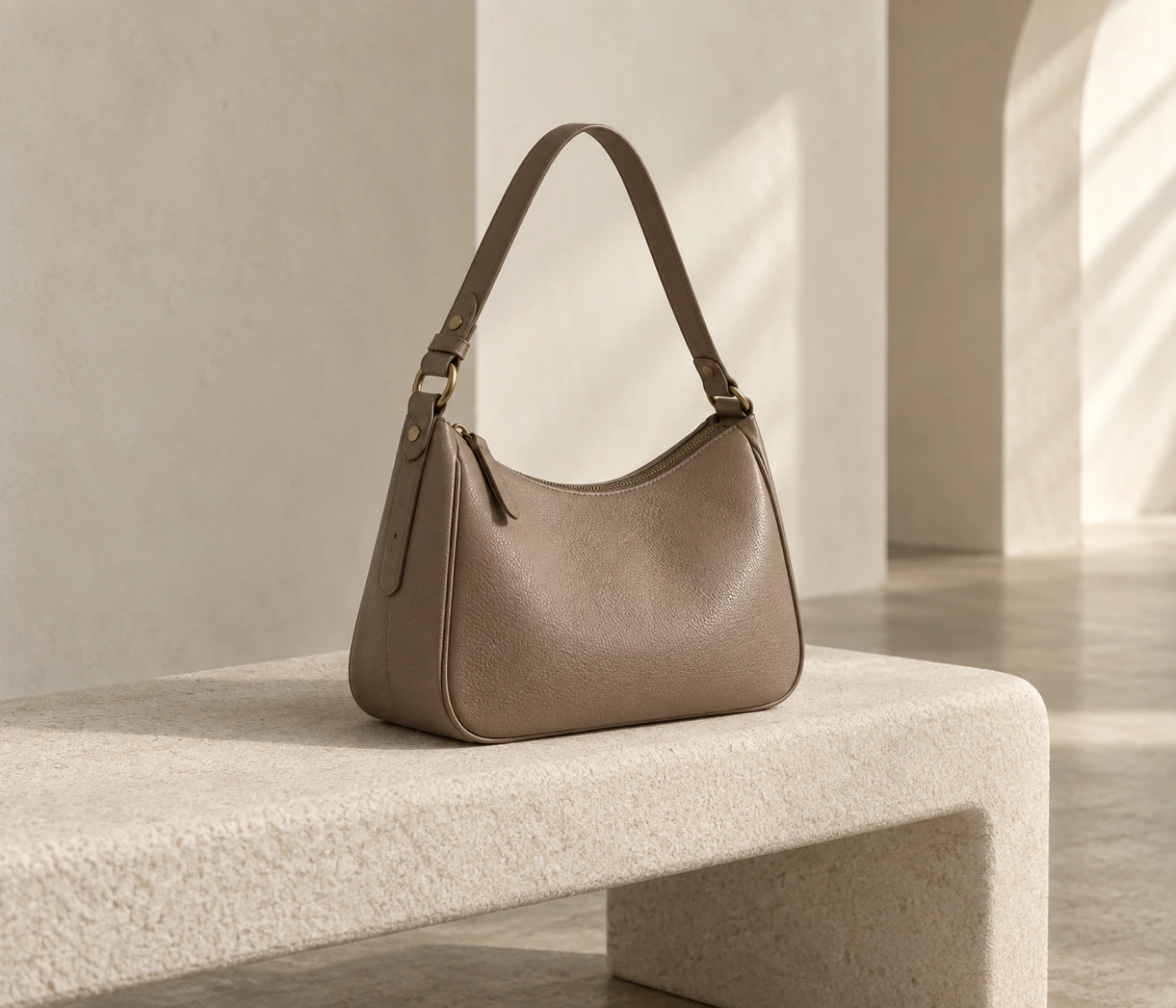
Illustrative brief / 01
A handbag chosen
around everyday use.
A client wants a structured leather handbag that moves easily between work and evening plans. The preferred palette is neutral, the size must accommodate daily essentials and the hardware finish is flexible.
Search priorities
Dimensions, carrying options, leather finish, corner wear and interior condition.
Decision point
Compare the available specification and condition with the intended use before considering decorative details.
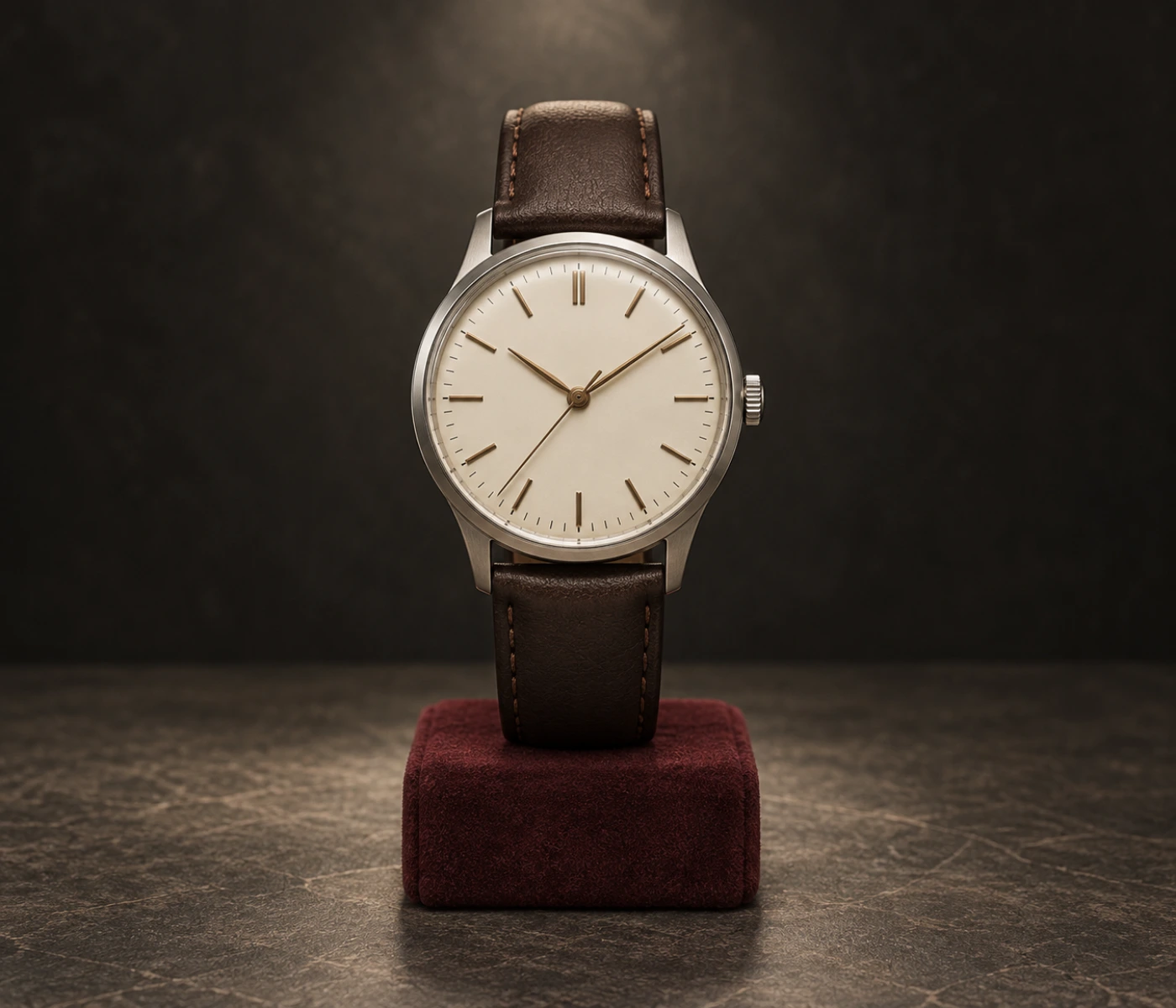
Illustrative brief / 02
A timepiece
for a personal milestone.
A client is seeking a mechanical watch for an anniversary and has a preferred reference and dial colour. Timing is important, and accompanying documentation is a priority.
Search priorities
Exact reference, case condition, bracelet fit, available service information and proposed delivery timing.
Decision point
Establish which requirements are essential and whether a different dial or production period would be acceptable.
Build your own brief
Separate essentials
from preferences.
Essentials might include a reference number, a maximum size or a required date. Preferences might include a colour, hardware finish or packaging. Making the distinction clear helps us discuss suitable alternatives without losing sight of your original request.
A personal introduction
Your search starts with your priorities.
Tell us what is essential, what is flexible and what you would like us to explore.